How to Build a Payment Schedule Into Your Quote: 4 Examples

A payment schedule that follows the real steps of your work is easier to accept than a big deposit and a final balance. Because the client pays for what they see, when they see it.
It took me a while to get there. For years, I used project management tools. I worked agile: short steps, a deliverable every time. And then, when it came to payment, nothing. None of those tools were connected to the money. The agility stopped exactly where it would have been most useful.
As an entrepreneur and a freelancer, I've been paid late. And to be honest, I've also paid late, when cash flow turned out to be different from what I had planned. I left people hanging. I always hated that. But that's reality: not every business has cash in advance, and a lot of them take risks to move forward.
That's where Seequency came from, and the idea of the Seequence. A Seequence is your quote split into steps your client validates, then pays one by one.
Here's what it looks like in four trades, with example amounts.
Try it on your quote: the free tool that splits it into paid steps.
The principle: one step, one deliverable, one payment
Every step in a payment schedule needs a deliverable your client can check. They validate it, then pay for that step. Then the next one starts.
The difference with classic progress billing is the validation. In a Seequence, the client confirms the step is delivered. That validation triggers the payment request. Nobody argues over a percentage of completion.
Seequency never touches the money. The client pays each step directly, the way they always do.
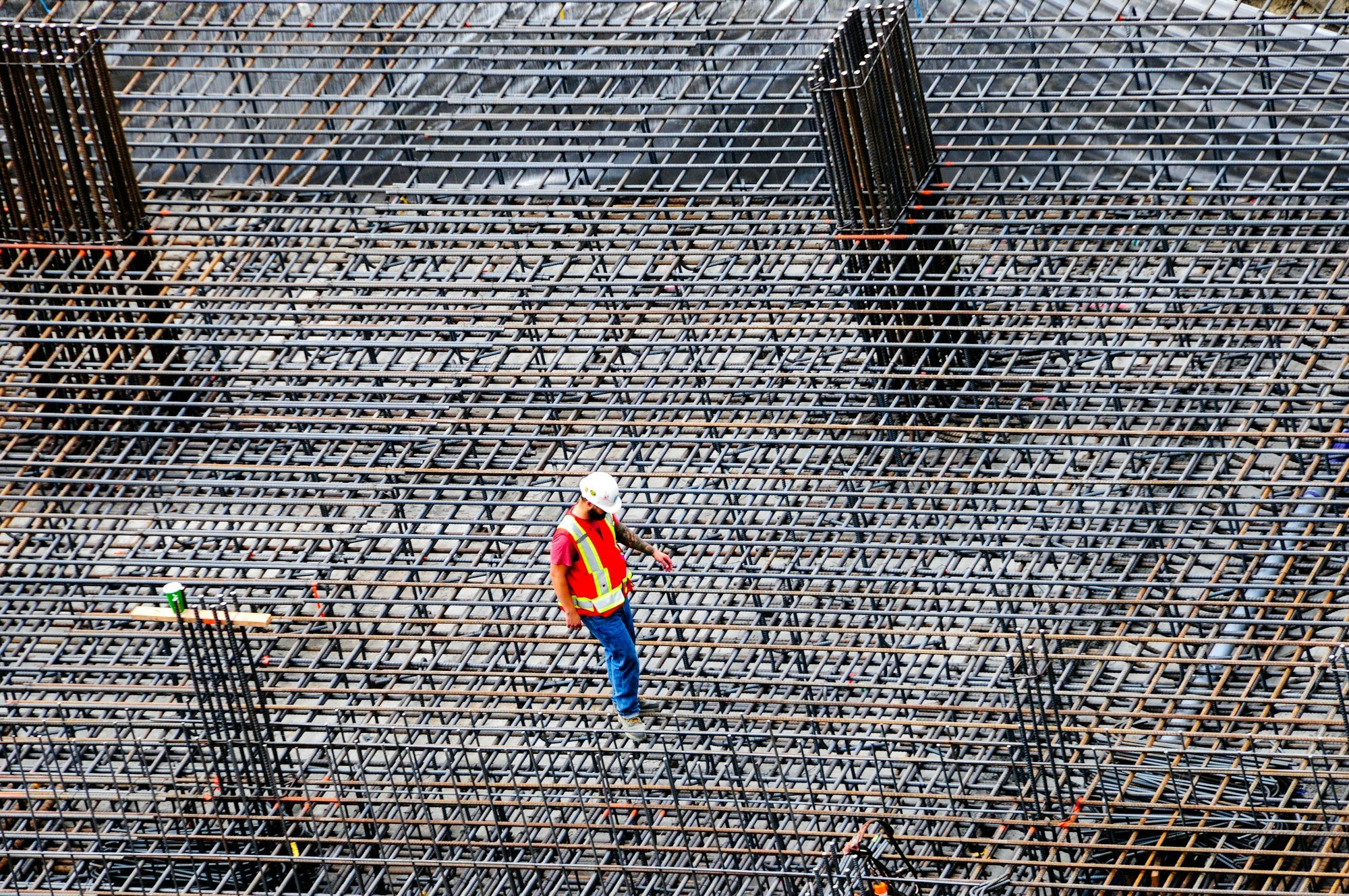
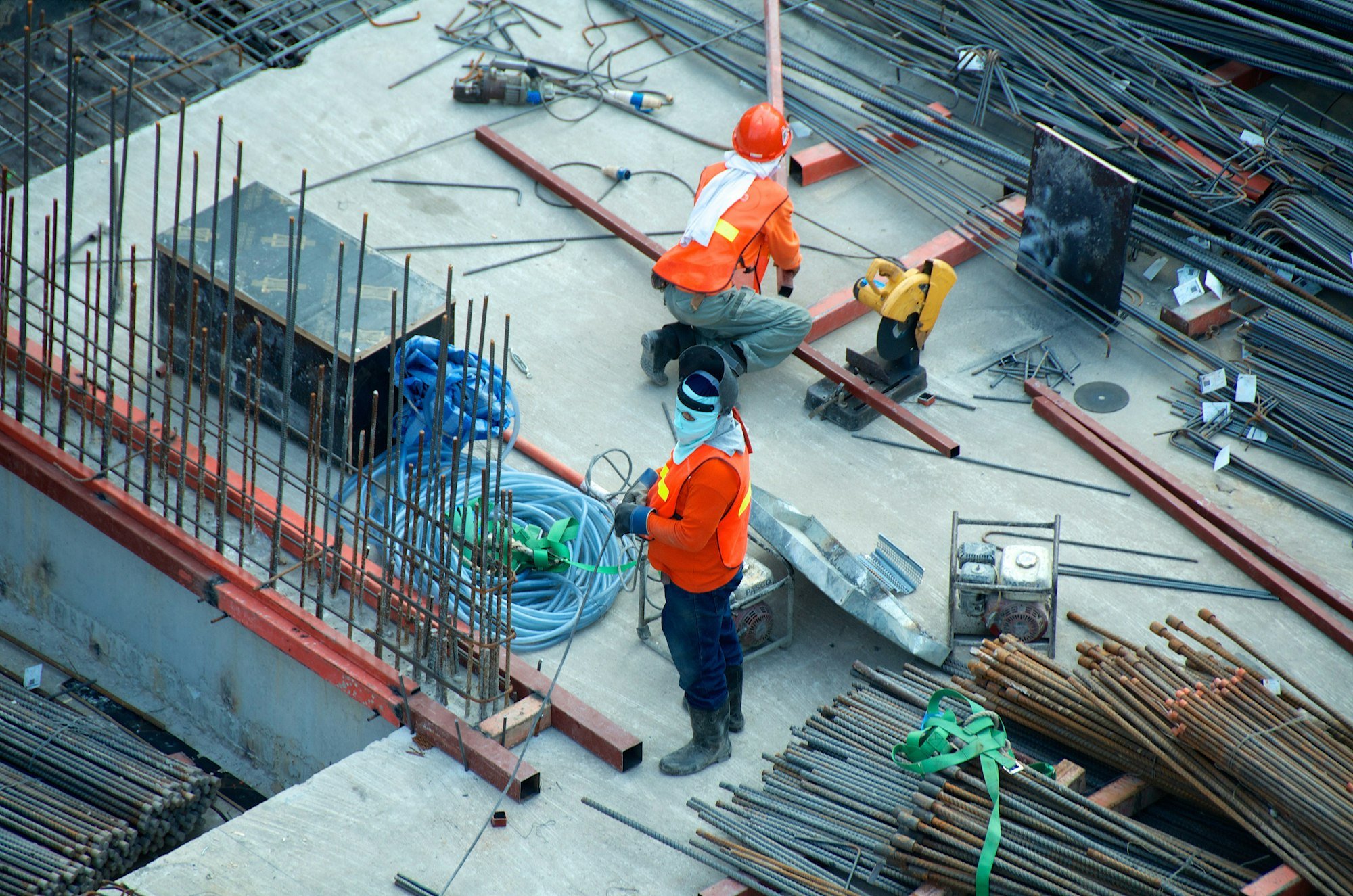
Construction: a custom home
A custom home splits into five steps everyone in the trade knows. Take a $500,000 project (example amounts):
Step | What the client validates | Amount (example) |
|---|---|---|
Design and permits | The plans approved, the permits issued | $25,000 |
Sitework | The lot cleared, graded and ready | $50,000 |
Foundation and framing | The foundation poured, the structure framed and dried in | $175,000 |
Finishes | Systems, drywall, cabinets, flooring, fixtures | $200,000 |
Final walkthrough | The home walked through, the punch list closed | $50,000 |
The last step waits for final completion. That's where retainage sits, set from the start in the quote. Paid steps don't remove retainage. They just make it the only thing left at the end.
Engineering firm: a design project
An engineering project already comes in phases, with their own names. Take a $120,000 project (example amounts):
Step | What the client validates | Amount (example) |
|---|---|---|
Schematic design | The design concept and first cost range | $18,000 |
Design development | The design locked, systems sized | $30,000 |
Construction documents | The drawings and specifications for bidding and building | $42,000 |
Construction administration | Site visits, submittals and closeout through completion | $30,000 |
This split matters twice in engineering. On the projects studied by Seequency, 48% of design phases never lead to a construction phase. When each step is paid at validation, the design work done is paid for, whether construction follows or not.
Web or software agency: a platform rebuild
A platform rebuild splits into five steps, from discovery to launch. Take an $80,000 project (example amounts):
Step | What the client validates | Amount (example) |
|---|---|---|
Discovery | Scope, timeline, architecture | $8,000 |
Design | The mockups of the key screens | $12,000 |
Development | The full platform, on a staging environment | $40,000 |
QA | Fixes done, tests passed | $10,000 |
Launch | The platform live | $10,000 |
One guarantee carries a lot of weight here: the client owns the code as payments go. They stop wondering what they'd walk away with if the project stopped.
Consulting firm: a transformation engagement
A consulting engagement splits into four steps, from understanding to rollout. Take a $100,000 engagement (example amounts):
Step | What the client validates | Amount (example) |
|---|---|---|
Scoping | Goals, scope, timeline | $10,000 |
Assessment | The assessment report | $30,000 |
Recommendations | The action plan, presented and discussed | $25,000 |
Implementation support | Actions launched, end-of-engagement review | $35,000 |
A short scoping step has an advantage many consultants underrate. The client tests the relationship for $10,000, not $100,000. And the assessment, often the most valuable part, is paid as soon as it's delivered.
Your trade isn't listed?
Your trade has its own steps too, even if nobody has written them down yet. Testers already use Seequency in digital, video production and architecture.
You can try it with your quote, whatever your trade. Seequency learns new trades from the quotes it receives: each quote makes the next split more accurate for that trade. Everything is explained on the Other trades page.
Try it on your quote: the free tool that splits it into paid steps.
What your client gains, and what protects you
In every Seequence, you choose the guarantees you offer your client: they pay only for what's done, they can stop after any step, they see proof before paying, they own the deliverables as payments go.
On your side, you set the review period for each step, and you can turn on tacit validation. A defect gets fixed at the step where it shows up, not all at once at the end. And at worst, you've fronted one step.
You create your Seequence for free. Then you send it yourself, or you let Seequency run it with an account: it sends the Seequence and the step reports, lets your client know when a step is ready to be paid, and drafts an invoice at every step.
Frequently asked questions
- How many steps should a quote have?
- As many as there are deliverables your client can check, no more, no less. In the examples above, that's four or five steps. A step without a deliverable the client can check is a calendar date, not a step.
- What if one step runs late?
- The payment for that step follows its validation: it comes when the step is delivered and validated. The other steps don't change. The delay stays visible on one step instead of dissolving into the final balance.
- Does a step-based schedule work for small projects?
- Yes. Two or three steps are enough on a small project. What matters is that each one has a clear deliverable.
- Is a payment schedule the same as a schedule of values?
- No. A schedule of values is a construction document that breaks the contract price down by line item, mostly used for progress billing on US construction projects. A step-based payment schedule ties each payment to a delivered, validated step. More on the schedule of values page.